Crew That Shows Up Right
How to right-size your AV crew for a corporate event.
Sixty percent of corporate event planners told The Event Planner Expo this year that advanced AV is a top priority for 2026. That's a real shift — and it puts a quiet question on the table for anyone planning a corporate event: when "advanced AV" shows up on event day, who's actually running it?
Right-sized crew is one of those things that's invisible when it's working and very visible when it isn't. And it doesn't start at showtime. It starts when the truck pulls up.
What "Right-Sized" Actually Means
The right crew is determined by the size of the event, the format of the event, and the complexity of the event. Not by a flat per-event headcount.
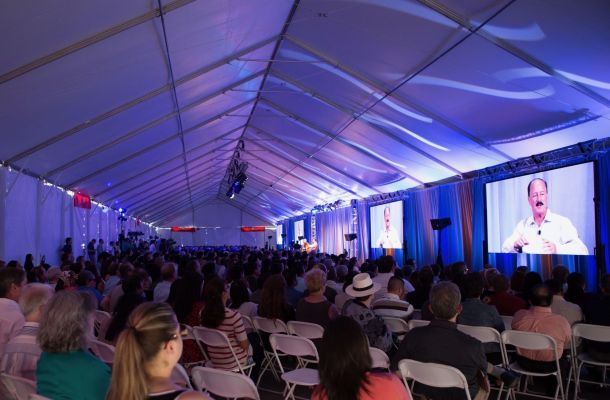
A 150-person breakfast panel and a 150-person hybrid product launch have the same number of attendees in the room. They need very different crews. One has table mics for the panelists and a slide deck; the other has cameras, a stream feed, lower thirds, presenter handoffs, and a live audience reacting to all of it. Audience size is part of the answer — format and complexity finish the rest.
The Five Core Crew Roles
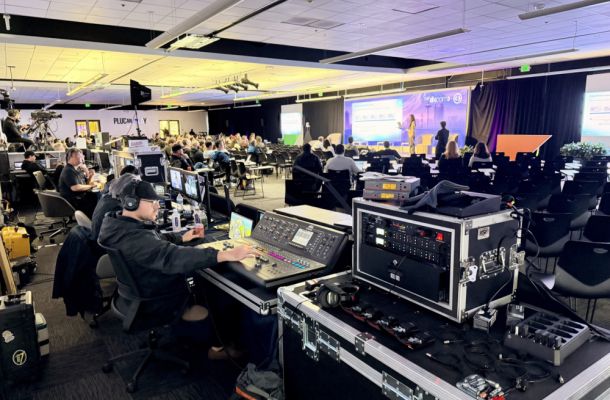
A standard corporate event runs on five core roles. Each owns a clearly defined part of the show:
- A1 (Audio Engineer). Mixes live audio for the room, and the broadcast feed if there is one. If the A1 is also trying to do something else, audio is the first thing that drops.
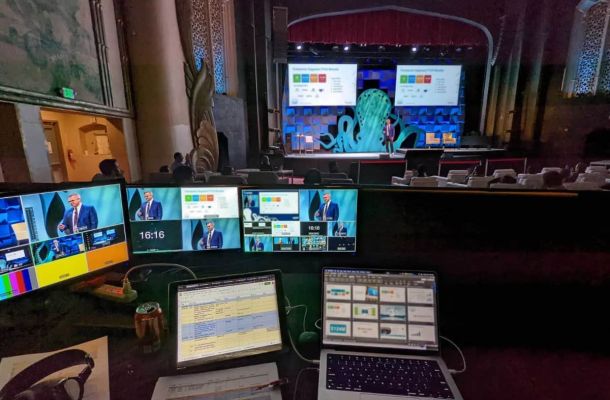
- V1 (Video Director). Switches cameras, content sources, and graphics. The V1 is the person making the show watchable in real time.
- Lighting Director. Builds the look and runs the cues. Lighting is what tells the audience where to look and what the moment is supposed to feel like.
- Stage Manager. Owns the room — speaker handoffs, timing, what happens between sessions, what the cameras see.
- Tech Director / Show Caller. Calls the show. Coordinates the other four roles so nothing collides on the timeline.
When all five roles are covered by the right people, the show looks effortless. When one role is overloaded onto another, something gives way — and once it does, it tends to cascade through the rest of the show.
Sizing by Audience Size and Format
Audience size and format give a useful starting shape — not a fixed formula. The basic patterns:
- Smaller rooms typically run on a lean crew handling audio and basic projection.
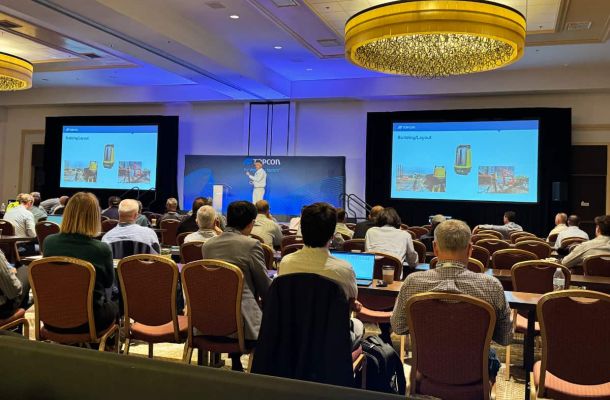
- Mid-size rooms typically pick up dedicated camera, audio, and lighting alongside a stage manager.
- Larger or multi-day rooms typically bring a full crew, with a technical director, additional camera operators, and A2/V2 roles.
- Hybrid format adds dedicated streaming and graphics support regardless of audience size. Live Nation Special Events reports 33 percent of planners now name tech-enabled events a top-of-mind priority for 2026 — the streaming role is no longer an upgrade, it's part of the baseline.
Complexity shifts each pattern up or down. Live demos, presenter handoffs, multiple breakouts, and tight session timing all push the crew count higher even when the audience number stays the same. A walkthrough is what turns these patterns into a real crew for a real event.
Where Crew Size Gets Decided
Crew size gets decided early — during discovery and the pre-con, long before anyone is on site. That's by design. And it's where small problems get prevented from turning into big ones on event day.
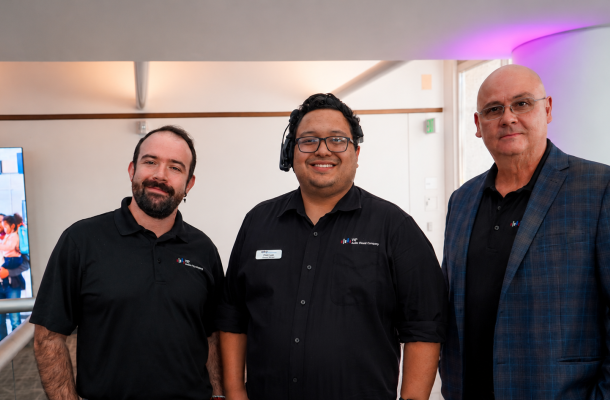
Here's Manny Peregrina, owner of VIP Audio Visual, on staffing philosophy:
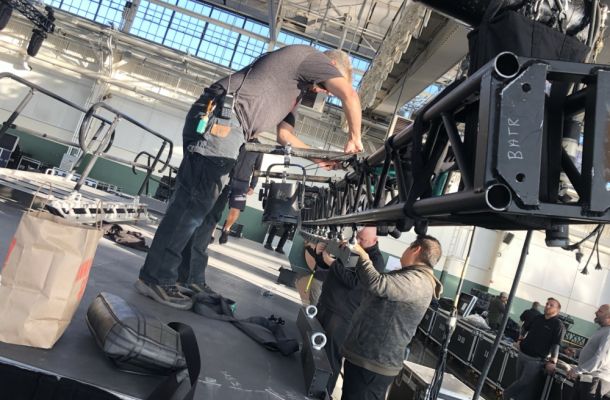
"Crew sizing matters from the moment we unload the truck. A too-small crew makes setup stressful, and that's when mistakes happen. The right crew handles issues during setup, so the team arrives at show time heads up and anticipating — not reacting late."
Truck arrival, load-in, cable runs, focus and patch, soundcheck, rehearsal — every step is a chance for a small problem to become a bigger one. Right-sized crew means problems get caught and handled in the window where they're still small.
What the Right Crew Makes Possible
Three things, mostly:
Smooth setup. With enough hands on the floor, problems get caught and handled in the window where they're still small. By soundcheck, the room is ready and the crew is fresh.
Heads-up operation. A right-sized show crew avoids task saturation. Each role can pay attention to what's happening now and what's coming next — not just the thing that just went wrong.
Proactive show management. The tech director and stage manager stay a cue ahead — calling speaker handoffs, room flips, and stream handoffs before they arrive instead of catching them as they hit.
Underneath all three is the thing Manny named — a crew that's heads up and anticipating, not reacting late. That's what the event looks like to the room, and to the planner's boss.
Start the crew conversation early. Discovery sets the crew. The crew sets the rest.
Frequently Asked Questions
-
What's the difference between an A1 and a V1?
An A1 mixes live audio for the room and any broadcast feed. A V1 directs video—switching cameras, content sources, and graphics. On larger shows, each may have an A2 / V2 assistant. Both roles are non-overlapping; a single person doing both is a size red flag.
-
When should I lock in AV crew sizing for my event?
For events over 300 attendees or any hybrid format, lock crew sizing during the pre-con—typically four to six weeks out. A production partner that does discovery and a walkthrough will determine this before quoting, not after.
-
Why does crew size matter for the planner, not just the AV vendor?
Crew sizing affects every visible part of the event: room flips between sessions, hybrid handoffs, load-out timing, and the planner's reputation when something goes wrong. A right-sized crew is a planner's insurance policy.